



Blog
When the community organizes
Prevention of human trafficking in Satkhira District, Bangladesh
In the mid-afternoon of Godaghata Dokkhin Para, a community in the Satkhira District of southern Bangladesh, 26 people gathered for a session that could make a difference in their lives. For nearly two hours, between 3:00 and 4:45 p.m., women, children, and young people shared a learning space about safe migration and the prevention of human trafficking.
This meeting is the result of collaborative work between Mumbai Smiles and our local partner organization, Agrogoti Sangstha, through the SAPATH project. The results of this September afternoon demonstrate that community prevention works.
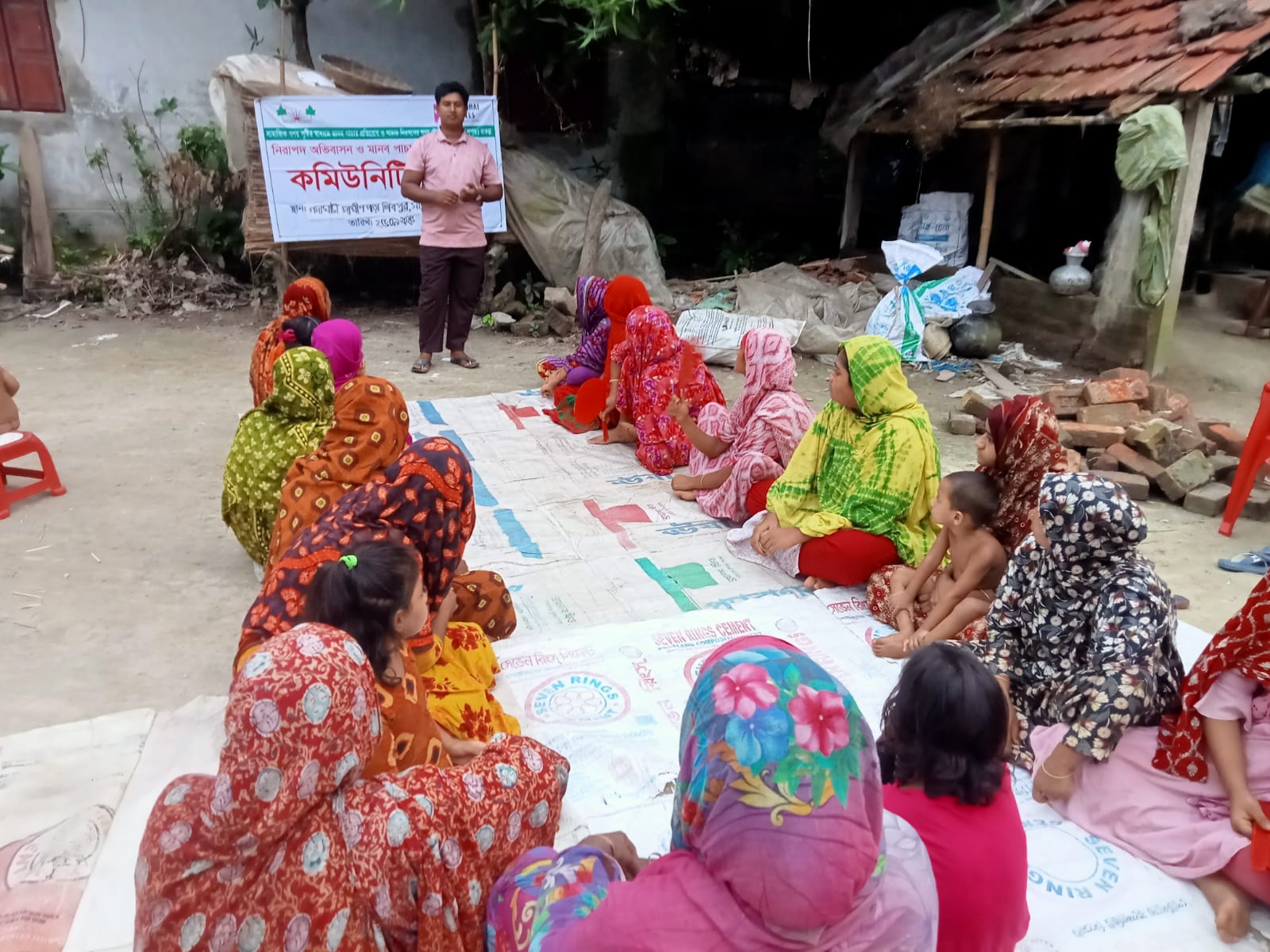
Afternoon meeting on 25th September in Satkhira District.
Information that transforms lives
During the session, program facilitators and community leaders—young people specifically trained for this task—addressed fundamental questions: What is human trafficking and how to identify risky situations? What is the difference between safe migration and irregular migration? What resources do both the government and organizations offer for those seeking job opportunities abroad?
The participants, mostly women, listened attentively and shared experiences. Many knew stories of neighbors or relatives who had migrated, some with positive outcomes and others not so positive. The objective was clear: to provide tools so each person could make informed decisions and recognize warning signs.
And the session bore concrete fruit: two people who were planning to migrate abroad without following legal procedures were identified. They will now be able to receive proper guidance on official and safe channels to do so, thus avoiding falling into the hands of unscrupulous intermediaries.
A collective commitment against child marriage
The meeting also addressed another reality present in the region: child marriage. At a particularly significant moment in the afternoon, participants made a public commitment: not to marry their sons and daughters before the ages of 21 and 18, respectively, and to actively work to prevent early marriages in their community.
“Seeing families making a public commitment is powerful,” explains one of the facilitators. “They’re not just protecting their own children; they’re creating a culture of protection for the entire community.”
During the session, the team also identified areas for improvement. “Incorporating audiovisual material, such as videos of real cases of trafficking or child marriage, could make the information even more accessible,” the team reflects. “The images help people connect more directly with situations that sometimes go unnoticed in their surroundings.”
Beyond information: creating change agents
Each person who participated in the session has become a resource for their family and neighborhood. They now understand the differences between safe and irregular migration, know where to go for help—both from government services and local organizations—and can identify risky situations before it’s too late.
In Bangladesh, where many families seek employment opportunities abroad, having reliable information about the legal procedures and risks of irregular migration can make all the difference. Access to counseling services, proper documentation, and official channels for employment abroad are key elements in ensuring that people can improve their living conditions without putting themselves in vulnerable situations.